
KAMPAGNE AKTIVITETER
SISIMIUNI UNNUK KULTURISIORFIK (Kulturnat i Sisimiut)
Fotos af Tanja Nielsen
WORKSHOP MED SKOLEBØRN I ISLAND
I Bolungarvíkur blev oplevelserne dokumenteret af RÚV, The Icelandic National Broadcasting Service. se med her: Pee, poop and toilet paper but not plastic at all - RÚV.is

MILJØUNDERSØGELSER I SISIMIUT
I IMARPUT regi, var vi på 10 dages intensivt feltarbejde i Sisimiut og Sarfannguit i september.
Hvad lokale kilder bidrager med til marin plastforurening: Indblik fra Grønland
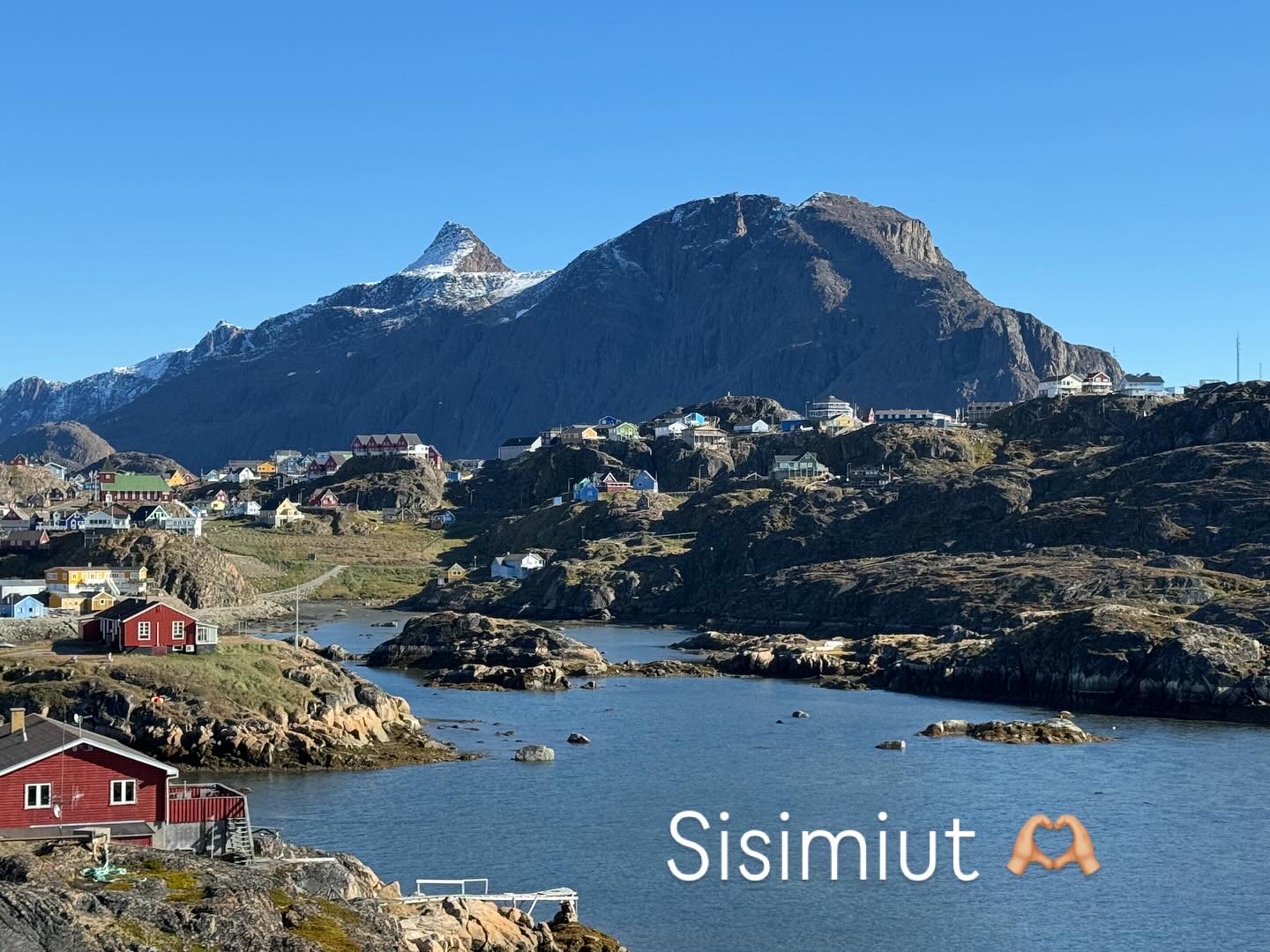
September markerede en vigtig milepæl for IMARPUT-projektet med en vellykket 10-dages feltkampagne i Sisimiut og den nærliggende bosættelse Sarfannguit i Grønland. Målet var at undersøge, hvordan lokale kilder – såsom udledning af ubehandlet spildevand og åbne lossepladser – bidrager til plastforurening i havmiljøet.
Vi var et team af erfarne forskere, forskningsassistenter og laboranter fra Aarhus Universitet og DTU Arctic. Fokus var på hvordan og i hvor stor udstrækning lokale kilder som dumpe (lossepladser) og spildevandsudledninger påvirker havmiljøet.
Ved hjælp af fjernstyrede undervandsrobotter (ROV'er) inspicerede forskerne havbunden i begge områder. I Sisimiut, en by med omkring 5.900 indbyggere, viste den lukkede bugt Ulkebugten (Kangerluarsunnguaq) bekymrende tegn – havbunden var kraftigt dækket af vådservietter. Det er et særligt presserende problem, som tidligere studier har påpeget også i andre dele af Arktis: den udbredte tilstedeværelse af sanitære plastprodukter, især vådservietter, i det arktiske havmiljø. Disse produkter, som ofte skylles ud i toilettet eller henkastes i naturen, nedbrydes ikke og udgør en alvorlig trussel mod økosystemerne.
I modsætning hertil viste Sarfannguit, med kun omkring 150 indbyggere og uden skylletoiletter, ingen tydelige tegn på plastforurening ved spildevandsudløbet. Her udledes kun gråt spildevand, og havbunden fremstod stort set upåvirket. Det tyder på, at infrastruktur og affaldshåndtering spiller en afgørende rolle for den miljømæssige påvirkning.
For at få et dybere indblik indsamlede teamet spildevandsprøver samt en række miljøprøver nær lossepladsen og spildevandsudledningen. Disse vil blive analyseret hen over vinteren i laboratorierne ved Ecoscience på Aarhus Universitet samt Arctic DTU for mikroplast og plastrelaterede kemikalier og vil give værdifuld viden om forureningens omfang og karakter.
IMARPUT-feltkampagnen understreger, hvor stor betydning lokale praksisser har for marin plastforurening og baner vejen for målrettede løsninger tilpasset arktiske samfund.
FOKUS PÅ SPILDEVAND I NUUK - WORKSHOP MED NUAN
(juli 2025)
Vi havde fornøjelsen af en gruppe fantastisk engagerede børn fra NUAN i Nuuk og snakkede om plastik i miljøet og hvad vi kan gøre for at begrænse udledningerne.
En tur ned til stranden, hvor vi i fællesskab satte en undervandsdrone i vandet foran en spildevands udledning bragte mange smil, men også forundring over de mange vådservietter, børnene kunne se på bunden. Vi fik en snak om plastik i vådservietter og om at selvom der står på pakken, at de er lavet af bambus, så er det ikke altid sikkert, at der ikke er plastik i.
Vi studerede også affald, der blev fundet på stranden ved siden af. Og hjemme på skolen gik børnene kreativt til værks med at vise, hvad dagens oplevelser havde givet dem. Vi fortsatte med sjove små hyggeting og VR briller, som altid er et stort hit. At se havbunden i sådan nogle er en fantastisk ting, når man ikke selv lige kan dykke ned på den.
POOP AND WET WIPES THAT DON'T DISSOLVE ENGAGED CHILDREN IN SVALBARD
Poor wastewater treatment systems and humans flushing non-biodegradable waste in the toilet threaten marine ecosystems.

Most Arctic towns and settlements are challenged by poor wastewater treatment systems, and the drive towards implementing improved treatment is increasing. Through projects like Climarest and FlushWatch, we intend to raise awareness.
The overall purpose of the FlushWatch project is to contribute to increased citizen awareness in Svalbard, as well as in Greenland and Iceland. The intention is that knowledge of the problems will lead to increased protection against litter and wastewater in the Arctic seas. Findings through the Climarest project revealed that people often flush cotton buds, contact lenses, condoms, sanitary pads/tampons and wet wipes down the drain. All these products form a carpet on the seabed which interferes with the sedimentary deposits and the animals that depend on them.
A recent study in Greenland shows that a roughly estimated contribution of synthetic or semisynthetic plastic litter is approximately 2 tons per year, hereof 1.2 wet wipes.
Observations of high concentrations of litter and microplastics along the Greenlandic coastline raises concern. A working group of the Arctic Council, PAME (Protection of the Arctic Marine Environment), has produced a regional action plan on marine litter which includes improving onshore waste and wastewater management.
Plastic litter can physically affect marine organisms and cause biodiversity and ecosystem disturbances and ultimately pose risks to human health. The undesirable omnipresent microplastics and the scatter of plastic litter in the environment give rise to emerging environmental concerns, including in the Arctic.
Teach the children
Researchers from CLIMAREST and FlushWatch recently visited Svalbard to talk to local children to raise awareness and teach them at an early age how important it is to use the toilet for what the toilet is meant for.
The most eye-catching item of the event was the poop fishing basin and the children immediately gathered around it. They quickly engaged in who could fish the most poops. «Look, I got a big one!» Meanwhile, the adults got engaged in untangling fishing gear, which could not happen fast enough.
Our quiz showed that the children were very well educated about what not to flush down the toilet. However, exactly WHY they should not flush wet wipes was less clear. Isn't it almost the same as toilet paper?
We demonstrated what happens when wet wipes and toilet paper are flushed into water. When they added these items to bottles of water and shook them as hard as they could, we saw that toilet paper went into a thousand pieces and more or less dissolved while the wet wipes stayed intact no matter how much they shook. That was quite a surprise to everyone.
We further showed locally collected garbage from the sea floor outside town nicely molded in epoxy together with the brissleworm «Børste». They all agreed it was not great for «Børste» to have his house filled with trash from our toilets.
The VR glasses were an attraction themselves; «Whooo, cool, these are Quest 3! They are so nice!». Who knew that scientists could have such cool gadgets?! Equally exciting was the actual film recorded in the waters outside town. The viewers were virtually taken onboard the UNIS research vessel and from there they dove into the sea with the underwater drone. Below the surface they could see swirling kelp, curious fish and drifting jellyfish. «I want to see it again!» was the most used phrase at the VR-station. And the lucky ones got three turns before they had to leave.
The film also amazed the adult audience, sticking your head under water in these high latitudes (78 N) is not a common activity. Showing local materials like this film and the garbage epoxy really captivated people's attention.
We are yet to determine if the VR-film or the poop fishing was the most popular activity, but what is certain is that the kids had a good time. Everyone got stickers saying «Protect our waters – only flush toiletpaper» to stick in their bathrooms as a reminder to be mindful about waste handling to protect marine life.
FlushWatch aims to educate local communities about the importance of waste management, raising awareness about substances discharged into wastewater systems and the damage it leads to. In collaboration with other projects the findings of this research will hold significance for addressing plastic pollution from sewage not only in Svalbard, Greenland and Iceland, but also in rural communities across the entire Nordic region and globally.